


DDish TV LLC Chooses PlayBox Neo Channel-in-a-Box for Broadcast Network Expansion

JioCinema set to redefine subscription market with launch of Premium Plans
Telecom and pay-TV services revenue in Japan to increase at 2.1% CAGR over 2023-2028, forecasts GlobalData

UKTV has announced the commission of the brand-new series, Mudtown, for its leading crime drama channel, Alibi.
Latest News

DDish TV LLC Chooses PlayBox Neo Channel-in-a-Box for Broadcast Network Expansion
PlayBox Neo announces the completion of a new multichannel playout system for the DDish direct-to-home satellite television network in Mongolia. Based in the national capital, Ulaanbaatar, DDish broadcasts over 150 […]

JioCinema set to redefine subscription market with launch of Premium Plans
With the phenomenal success of the Indian Premier League and an award-winning entertainment offering, JioCinema has established itself as a destination for premium entertainment in every Indian household. Now, solving for key […]
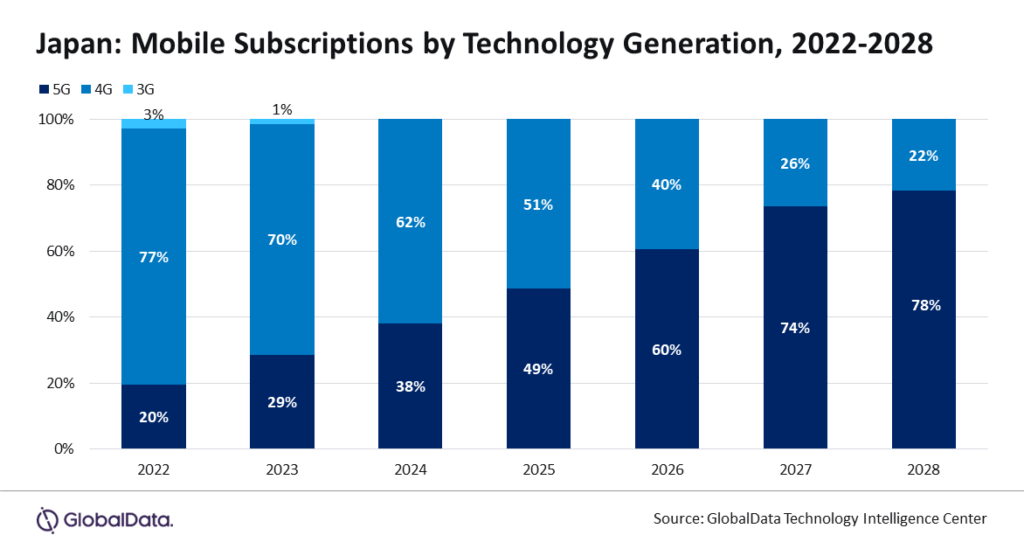
Telecom and pay-TV services revenue in Japan to increase at 2.1% CAGR over 2023-2028, forecasts GlobalData
The total telecom and pay-TV services revenue in Japan is expected to increase at a compound annual growth rate (CAGR) of 2.1% from $97.6 billion in 2023 to $108.3 billion […]

UKTV has announced the commission of the brand-new series, Mudtown, for its leading crime drama channel, Alibi.
UKTV today announces the commission of the brand-new series, Mudtown (6×1 hour), for its leading crime drama channel, Alibi. The six-part series is a co-commission with Welsh language free-to-air channel S4C and All3Media International. The series is produced […]

LUX And MX Player Partner To Challenge Outdated Sexist Scenes With An Innovative Campaign ‘The End’
VML Singapore and LUX, the global beauty brand under Unilever, has partnered with MX Player, a leading OTT platform, to launch a fresh new campaign that tackles a deeply ingrained […]

CAKE signs deal with ITVX on animated comedy adventure The Guava Juice Show
Leading kids’ entertainment specialist CAKE has announced a deal with ITV on two seasons of animated comedy adventure The Guava Juice Show (26 x 11’). Produced by Vancouver-based Mainframe Studios […]

Ricky Ow Joins Viddsee’s Board of Directors, Enhancing the Entertainment Platform’s Strategic Vision
In a move to bolster its platforms, Viddsee, the leader in digital storytelling and independent filmmaking, is thrilled to welcome media veteran Ricky Ow to its Board of Directors. Ow, […]

PubMatic partners with Nova to transform social posts into ads for any digital channel
PubMatic, an independent technology company delivering digital advertising’s supply chain of the future, has today announced a partnership with Nova, the leading creative AI company in social display, high impact, video […]

PlayBox Neo Highlights Latest Advances in Smart Media Playout at April 2024 NAB Show
PlayBox Neo reports a successful and well attended 2024 NAB Show, held in mid April at the Las Vegas Convention Center. Now in its 101st year, the event attracted nearly […]

Taiwanese Documentary On the Train to premiere in Japan
The Taiwanese documentary On the Train will premiere in Japan at the “Shinjuku East Side Film Festival 2024” on June 1, 2024. The theme of the Shinjuku East Side Film […]

Bolin Partners with NDI to Integrate Advanced Connectivity Across Product Line
Bolin Technology, a brand of PTZ cameras, and NDI, the global video-over-IP connectivity standard, announce a new partnership of NDI integration across the Bolin product line. Under the agreement, Bolin will […]

Atomos to Offer Camera to Cloud with MediaSilo
Atomos and EditShare have announced a collaboration that will enable MediaSilo access directly from Atomos Cloud Studio – integrating Atomos’ pioneering connected range of camera mounted monitor-recorders, which can be […]

Pixotope brings the power of Unreal Engine to automated and news broadcast graphics
Pixotope, the leading software platform for end-to-end real-time virtual production solutions, is bringing cinematic-quality graphics and immersive content experiences powered by Unreal Engine to news, sports programs, and other fast-paced […]